
Does Pet Insurance Cover Physical Therapy and Rehabilitation?
Pet insurance may cover physical rehabilitation when a veterinarian recommends it for an eligible injury or illness. Coverage can include therapeutic exercise, hydrotherapy, laser therapy, acupuncture or chiropractic care, but provider rules and exclusions vary.
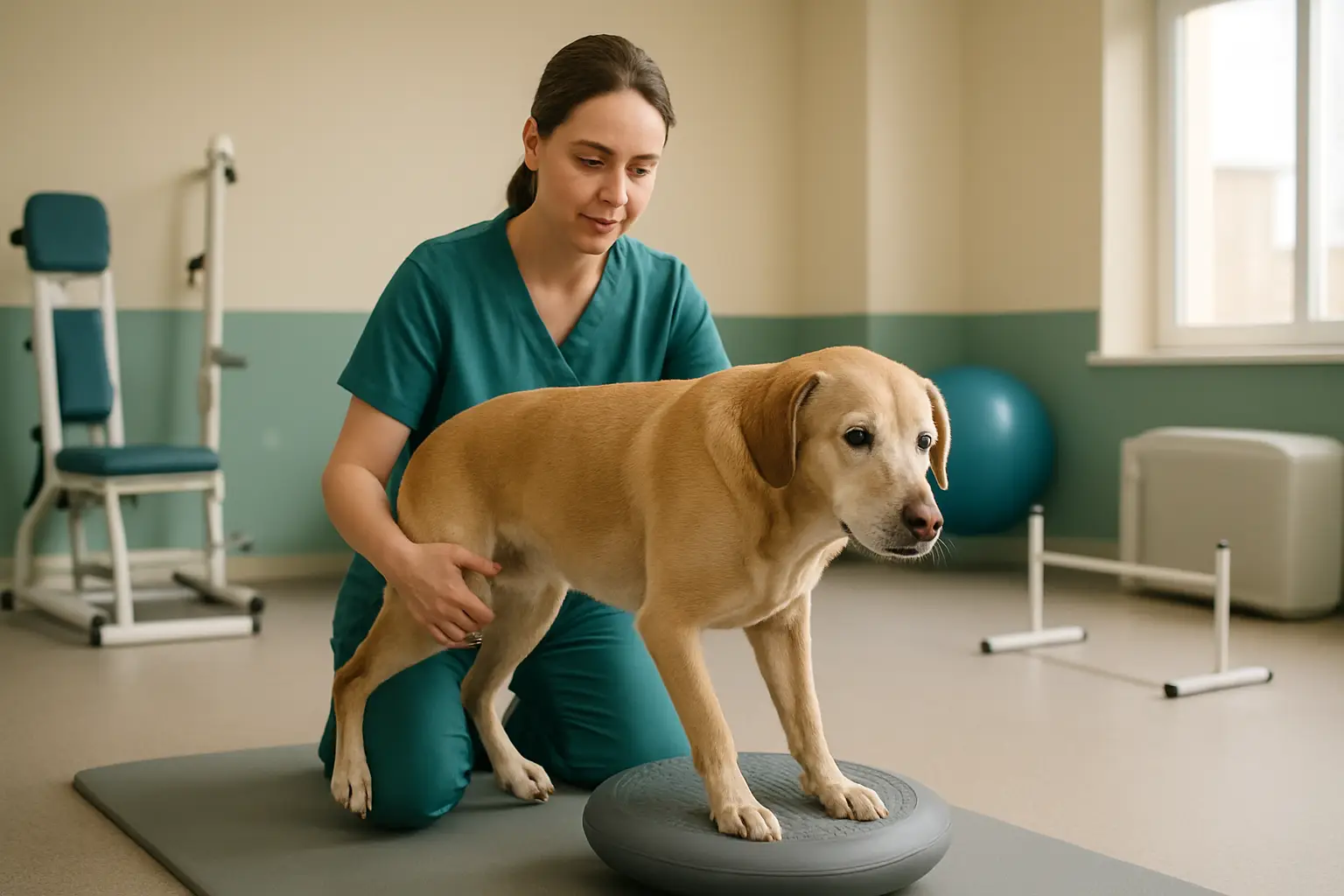
When Is Pet Rehabilitation Covered?
Direct answer: Physical therapy and rehabilitation may qualify when they are medically necessary for a covered accident or illness, prescribed or recommended by a veterinarian, and performed by an eligible provider.
Preventive conditioning, fitness programs, treatment for a pre-existing condition and services from an unrecognized provider may not be covered.
Rehabilitation can help pets recover movement, strength and comfort after surgery, injury, neurological disease or chronic orthopedic problems. Insurance eligibility depends on why the therapy is needed and how the policy defines complementary or rehabilitative treatment.
| Therapy | Common Purpose | Coverage Detail to Check |
|---|---|---|
| Therapeutic exercise | Strength, balance and range of motion | Veterinary prescription and provider qualification |
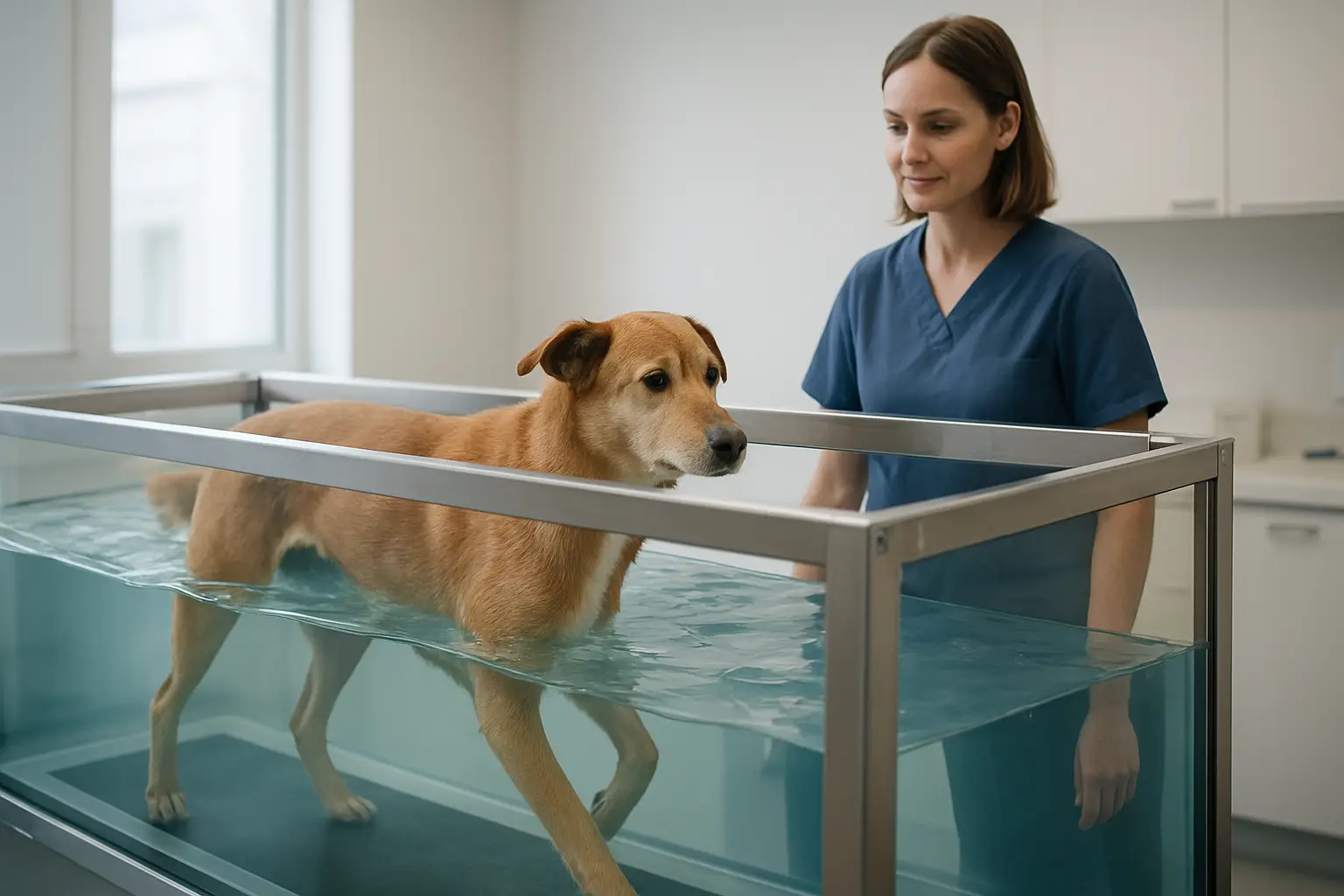
| Hydrotherapy | Low-impact movement in water or an underwater treadmill | Whether it is included under physical rehabilitation |
| Laser therapy | Pain management and tissue recovery | Whether the policy treats it as covered therapy or an exclusion |
| Acupuncture | Pain, mobility and supportive care | Licensing and direct veterinary supervision |
| Chiropractic care | Musculoskeletal function and mobility | Provider credentials and policy definition |
| Massage or manual therapy | Comfort, flexibility and muscle recovery | Whether it is medically necessary and formally prescribed |
Which Conditions May Lead to Covered Rehabilitation?
Rehabilitation may be part of treatment for:
- Recovery after orthopedic surgery
- Cruciate ligament injuries
- Hip or elbow dysplasia
- Spinal or neurological conditions
- Fractures and serious soft-tissue injuries
- Arthritis and chronic mobility problems
- Recovery after prolonged hospitalization
- Selected pain-management plans
The underlying condition must first be eligible. Therapy connected to an excluded or pre-existing diagnosis may also be excluded.
Rehabilitation After Surgery
A veterinarian may recommend therapy to restore strength, protect the surgical repair and improve the pet's return to normal activity.
Potentially eligible expenses can include the initial rehabilitation evaluation, supervised sessions, therapeutic exercises and certain approved modalities.
Coverage for surgery does not automatically prove that every recovery service is covered. Ask whether rehabilitation has a separate benefit, limit or provider requirement.
Does Pet Insurance Cover Hydrotherapy?
Hydrotherapy may qualify under a policy that covers physical rehabilitation. An underwater treadmill or controlled swimming environment reduces weight-bearing stress while allowing movement and strengthening.
Coverage may depend on:
The therapy may need to be part of a written treatment plan.
The injury, surgery or illness leading to therapy must be covered.
The facility or therapist may need veterinary supervision or recognized credentials.
The policy may limit the number, duration or annual cost of sessions.
Does Pet Insurance Cover Acupuncture?
Some comprehensive plans include veterinary acupuncture when it is used to treat an eligible condition and performed by or under the supervision of a licensed veterinarian.
Ask whether the policy places acupuncture under:
- Alternative therapy
- Complementary treatment
- Physical rehabilitation
- Pain management
- An optional add-on
Does Pet Insurance Cover Chiropractic Care?
Veterinary chiropractic care may be eligible under selected policies, especially when it is part of a veterinarian-directed plan for a covered musculoskeletal condition.
Coverage may be denied when the service is preventive, unrelated to an eligible diagnosis or performed by a provider who does not meet the policy's requirements.
Does Pet Insurance Cover Laser Therapy?
Cold laser or photobiomodulation therapy may be used for pain management, inflammation and recovery. Some policies include it within rehabilitation or complementary therapy, while others may restrict it.
Confirm:
- The condition being treated is eligible
- The veterinarian ordered or approved the treatment
- The provider meets licensing rules
- The service is not considered experimental under the policy
- The invoice clearly identifies the therapy and treatment date
Who Can Provide Covered Rehabilitation?
The insurer may require treatment by a licensed veterinarian, a veterinary technician working under supervision or a rehabilitation professional with recognized credentials.
A referral to a standalone rehabilitation facility should include:
- The veterinary diagnosis
- The treatment recommendation
- The facility's provider information
- The planned therapies
- The expected number of sessions
Ask the insurer whether preauthorization is available before purchasing a package of sessions.
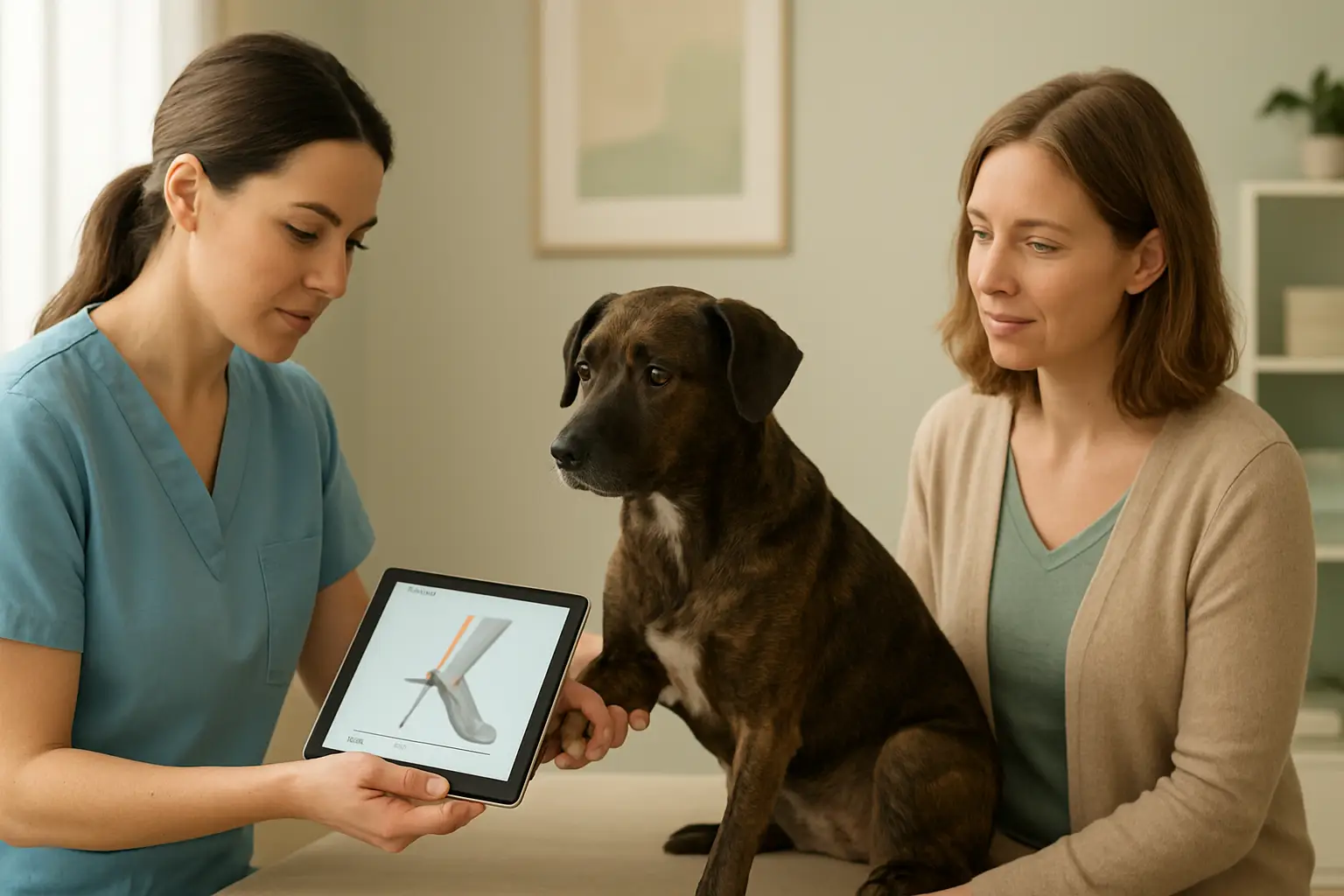
When Is Physical Therapy Not Covered?
Therapy connected to symptoms or a diagnosis that existed before coverage may be excluded.
Fitness, athletic performance and general strengthening may not be medical treatment.
Age-related support without an eligible diagnosis may be outside accident and illness coverage.
The policy may require treatment by or under a licensed veterinarian.
Selected alternative therapies may be excluded or require an add-on.
Self-referred therapy may not meet the policy's medical-necessity requirement.
Review how prior mobility problems affect pre-existing-condition coverage.
Rehabilitation for Hip Dysplasia and Arthritis
Rehabilitation can be used to support mobility, strength and comfort for eligible orthopedic conditions.
Hip dysplasia coverage may involve imaging, medication, surgery and therapy, but hereditary-condition rules, waiting periods and bilateral exclusions may apply.
Read the dedicated pet insurance hip dysplasia guide.
Chronic Conditions Need Long-Term Planning
Arthritis and neurological disease can require repeated sessions rather than one short recovery period.
Compare session limits, annual sublimits, exam fees and whether the benefit renews each policy year.
The guide to pet insurance for chronic conditions explains the broader long-term coverage issues.
How Deductibles and Reimbursement Affect Therapy Costs
Even when rehabilitation is eligible, the owner may pay the deductible, coinsurance and any amount above a therapy sublimit.
| Eight rehabilitation sessions | $1,200 |
| Eligible amount after exclusions | $1,100 |
| Remaining deductible | $300 |
| Amount after deductible | $800 |
| Reimbursement at 80% | $640 |
| Estimated owner responsibility | $560 |
This simplified example does not represent every plan. Review pet insurance deductibles and reimbursement calculations.
How to File a Rehabilitation Claim
- Obtain the veterinarian's diagnosis and treatment recommendation.
- Confirm the rehabilitation provider's credentials.
- Ask for an itemized invoice for each session.
- Keep therapy notes and progress reports.
- Include relevant surgery and diagnostic records.
- Submit the claim within the policy deadline.
- Request written clarification if one modality is excluded.
Ask Before Buying a Session Package
Rehabilitation clinics may offer discounted packages. Insurance may reimburse only completed sessions, require individual invoices or deny unused prepaid visits.
Ask the insurer and clinic how prepaid packages are documented before making a large payment.
What to Compare Across Policies
Determine whether it is standard, optional or excluded.
Check hydrotherapy, acupuncture, laser, chiropractic and massage separately.
Review licensing, credential and veterinary-supervision requirements.
A separate limit may apply even when the main annual limit is higher.
The initial rehabilitation assessment may be treated separately.
Written review can help before a long or expensive program begins.
Compare Recovery Benefits Before Injury
Rehabilitation coverage is easiest to secure before a pet develops orthopedic, neurological or mobility symptoms.
Use the resources on PetInsurances.us to compare covered modalities, providers, sublimits and reimbursement structures.
Compare Pet Insurance QuotesThe Bottom Line
Pet insurance may cover physical therapy and rehabilitation when it treats an eligible accident or illness and follows a veterinarian-approved plan.
Hydrotherapy, therapeutic exercise, acupuncture, chiropractic care and laser therapy are included by some policies but excluded or limited by others.
Confirm the diagnosis, provider, modality, annual sublimit and preauthorization rules before treatment begins.
Frequently Asked Questions
Does pet insurance cover physical therapy?
It may cover veterinarian-recommended physical therapy for an eligible accident or illness, subject to policy terms and provider requirements.
Does pet insurance cover rehabilitation after surgery?
Post-surgical rehabilitation may qualify when both the surgery and recovery treatment are eligible.
Does pet insurance cover hydrotherapy?
Some plans include underwater treadmill or other hydrotherapy under physical rehabilitation benefits.
Does pet insurance cover acupuncture?
Selected policies cover veterinary acupuncture for an eligible condition when performed by an approved provider.
Does pet insurance cover chiropractic care?
Coverage varies and may require treatment by or under the supervision of a licensed veterinarian.
Does pet insurance cover laser therapy?
Some plans include laser therapy as rehabilitation or complementary care, while others restrict it.
Is exercise for weight loss covered?
General conditioning or weight-loss fitness is less likely to qualify unless it is part of treatment for an eligible diagnosed condition.
Do I need a veterinary referral?
The policy may require a veterinarian's diagnosis, prescription or direct supervision before rehabilitation is eligible.
Editorial note: Rehabilitation benefits and provider requirements vary. Review the policy and obtain confirmation before beginning an expensive treatment program.