
Does Pet Insurance Cover Chronic Conditions Like Diabetes and Arthritis?
Pet insurance can often cover chronic conditions when the first symptoms appear after the policy begins and all applicable waiting periods have ended. Coverage may include diagnosis, recurring medication, monitoring and treatment, but a condition that began before enrollment is usually treated differently.

When Does Pet Insurance Cover a Chronic Condition?
Direct answer: An accident and illness policy may cover a chronic condition when it develops after coverage starts, after the waiting period ends and while the policy remains active. Eligible expenses can include diagnostic testing, prescription medication, specialist visits and ongoing treatment.
A chronic condition that was diagnosed, treated or showing symptoms before coverage began is commonly considered pre-existing. That can prevent expenses related to that condition from qualifying.
Chronic conditions differ from short-term illnesses because they may require care for months or throughout a pet's life. This makes the details of the policy especially important. A low premium may not provide strong long-term value if the plan has restrictive limits, weak prescription coverage or exclusions that affect recurring treatment.
| Chronic Condition | Care That May Be Needed | Main Coverage Question |
|---|---|---|
| Diabetes | Bloodwork, glucose testing, insulin, syringes and monitoring | Did symptoms or abnormal test results appear before coverage? |
| Arthritis | Examinations, imaging, medication, rehabilitation and pain management | Was joint pain, stiffness or limping previously documented? |
| Kidney disease | Bloodwork, urinalysis, medication, fluids and prescription diets | Are medications, fluids and therapeutic food covered? |
| Heart disease | Cardiology visits, imaging, medication and repeat testing | Are specialist and monitoring expenses included? |
| Allergies | Testing, medication, injections, special diets and follow-up visits | Were skin, ear or digestive symptoms present before enrollment? |
| Epilepsy | Neurological testing, medication, blood monitoring and emergency care | Did any seizures or related symptoms occur during the waiting period? |
Does Pet Insurance Cover Diabetes?
Diabetes may be covered under an accident and illness policy when the condition begins after the policy becomes active. Eligible expenses may include the veterinary examination, diagnostic bloodwork, glucose monitoring, insulin and follow-up care.
Coverage is less likely when medical records show signs of diabetes before enrollment. Earlier concerns such as increased thirst, frequent urination, unexplained weight loss or abnormal glucose results may affect how the insurer evaluates the condition.
Do not assume that every diabetes-related purchase is automatically included. Confirm whether the policy covers insulin, syringes, glucose-monitoring supplies, prescription food and repeat laboratory work. The site’s guide to pet insurance for prescription medications explains how drug coverage can vary.
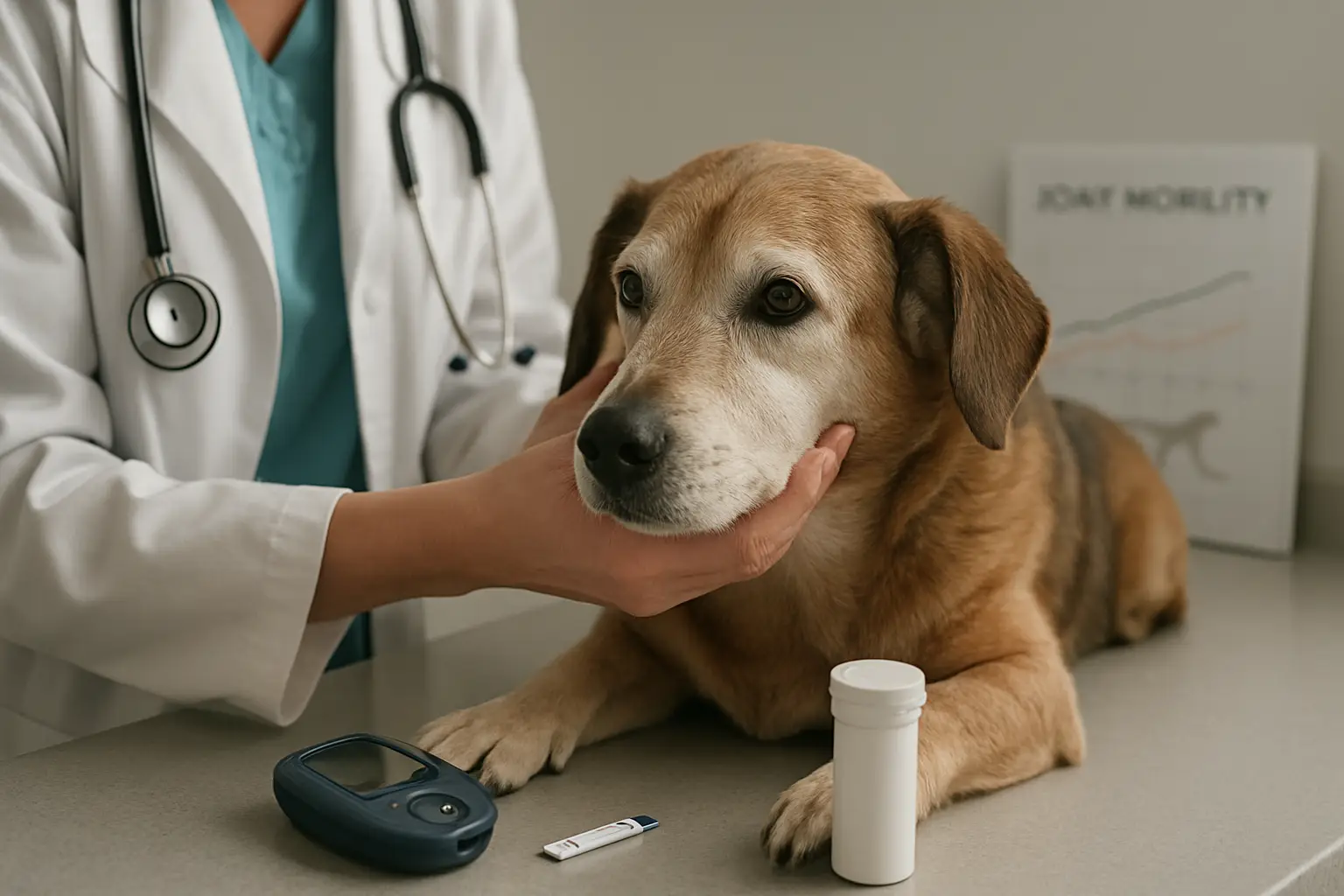
Does Pet Insurance Cover Arthritis?
Arthritis treatment may qualify when joint pain, stiffness or mobility problems first appear after coverage starts. Covered care may include examinations, X-rays, prescription pain medication and other medically necessary treatment.
The insurer may review earlier veterinary records for signs such as limping, reduced activity, difficulty climbing stairs or previous joint injuries. A later arthritis diagnosis does not always establish when the condition began.
Rehabilitation, physical therapy, acupuncture, mobility devices and supplements may have separate rules. Some plans include certain therapies, while others require an add-on or exclude them.
Arthritis becomes more common as pets age, so owners considering insurance for a senior pet should carefully compare orthopedic exclusions, rehabilitation benefits and medical-record requirements.
Which Chronic-Care Expenses May Be Covered?
A chronic-condition claim may involve far more than the first diagnosis. The most useful policy is often the one that continues helping with the recurring expenses required to manage the condition.
Bloodwork, urinalysis, X-rays, ultrasound and other tests may qualify when they are used to diagnose or monitor an eligible condition.
Insulin, pain medication, heart medicine and other prescribed drugs may be covered when the condition is eligible.
Follow-up examinations may qualify, although some policies treat examination fees separately.
Internal-medicine, cardiology, neurology and other specialist services may be eligible under comprehensive plans.
An eligible chronic condition can sometimes lead to an emergency that requires hospitalization or urgent care.
Physical rehabilitation and alternative therapies may be included, limited or available only through an optional benefit.
What Makes a Chronic Condition Pre-Existing?
A condition may be considered pre-existing when it was diagnosed, treated or showing signs before the policy's effective date or during an applicable waiting period.
A formal diagnosis is not always required. For example, a dog may be diagnosed with arthritis after enrollment, but earlier records showing repeated limping or joint pain could affect the claim. A cat may receive a diabetes diagnosis later, while previous records already show abnormal glucose results or related symptoms.
Read how insurers assess pet insurance and pre-existing conditions before purchasing a plan for a pet with an existing medical history.
Chronic vs. Curable Conditions
Some insurers distinguish between a condition that can fully resolve and one expected to require long-term management.
A short-term ear infection, respiratory infection or stomach illness may eventually be treated as resolved under some policies if the pet remains symptom-free and treatment-free for the required period.
Diabetes, established arthritis, chronic kidney disease and ongoing heart disease are less likely to meet a curable-condition rule because they commonly require continuing care.
Do not rely on a general statement about curable conditions. Read the policy's exact definition and request a written explanation from the insurer when your pet has prior symptoms or treatment.
Will the Condition Stay Covered for Life?
A condition that first qualifies under an active policy may continue to be eligible at renewal, subject to the current policy terms, premium, limits and any changes permitted under the contract.
Pet owners should not assume that every policy handles long-term claims in the same way. Before enrollment, ask how the insurer treats:
Confirm what happens when the policy renews without a break and the pet still needs treatment.
Find out whether the deductible and annual benefit limit reset at each new policy period.
Review how changes to reimbursement, deductibles or benefits could affect future claims.
Understand that the cost of maintaining coverage may change as the pet ages or veterinary costs increase.
A lapse in coverage can create serious problems when the pet already has an ongoing condition.
Confirm whether specific drugs, therapies, foods, equipment or examination fees remain outside coverage.
Can You Switch Insurers After a Chronic Diagnosis?
You can apply for another policy, but changing providers after a chronic condition develops can create a major coverage gap. The new insurer may classify the diagnosed condition and related symptoms as pre-existing.
This means a lower premium from another provider may come with the loss of reimbursement for medication, monitoring and treatment connected to the existing illness.
Before canceling an active plan, review the risks explained in the guide to switching pet insurance providers. Do not end the current policy until you understand how the replacement policy will treat every condition in the medical records.

How Deductibles and Annual Limits Affect Long-Term Care
Chronic conditions can produce several claims during the same year. The policy's deductible, reimbursement percentage and annual limit therefore have a direct effect on long-term value.
| Policy Feature | Why It Matters for Chronic Conditions |
|---|---|
| Annual deductible | Usually needs to be met again when a new policy year begins. |
| Per-condition deductible | May apply separately to each eligible medical condition, depending on the plan. |
| Reimbursement percentage | Determines how much of the eligible expense may be repaid after the deductible. |
| Annual limit | Can restrict reimbursement when ongoing care and emergencies occur in the same year. |
| Unlimited annual coverage | Removes a stated annual dollar ceiling but does not remove exclusions, deductibles or coinsurance. |
| Exam-fee coverage | Matters when the pet needs frequent follow-up or specialist appointments. |
Compare how pet insurance deductibles and annual coverage limits work before selecting a plan for lifelong protection.
Example of Ongoing Treatment Costs
Imagine that a pet develops an eligible chronic condition after enrollment. During the year, the owner pays for diagnostic testing, medication and follow-up appointments.
| Eligible annual treatment cost | $3,200 |
| Annual deductible | $500 |
| Amount after deductible | $2,700 |
| Reimbursement at 80% | $2,160 |
| Estimated owner share | $1,040 |
This simplified example does not account for excluded fees, benefit limits or provider-specific calculation methods.
What May Still Be Out of Pocket?
- The deductible
- The portion not covered by the reimbursement rate
- Examination fees excluded by the plan
- Non-covered supplements or equipment
- Routine preventive care
- Prescription food excluded by the policy
- Expenses above the annual benefit limit
Review the site’s guide to pet insurance reimbursement to see how eligible expenses can translate into an actual claim payment.
What to Compare Before Buying Coverage
The best time to evaluate chronic-condition coverage is before a pet develops ongoing symptoms. Use the same questions for every provider so that differences are easier to identify.
Confirm that the policy covers illnesses rather than accidents alone.
Check whether ongoing medication is included and whether a formulary or separate benefit applies.
Ask about repeat bloodwork, urinalysis, imaging and specialist testing.
Frequent appointments can become expensive when consultation fees are excluded.
This can be important for arthritis and other mobility conditions.
Long-term treatment can use a substantial portion of a limited annual benefit.
Ask when the insurer requests medical records and how it defines a pre-existing condition.
Request a clear explanation of continued eligibility for conditions that began during active coverage.
Compare More Than the Monthly Premium
Chronic-condition protection is most valuable when it supports both the first diagnosis and the recurring care that follows.
Compare medication benefits, monitoring tests, specialist care, exam fees, rehabilitation, deductibles and annual limits alongside the monthly price.
Use the independent educational resources on PetInsurances.us to understand policy features before requesting prices.
Compare Pet Insurance QuotesThe Bottom Line
Pet insurance may cover diabetes, arthritis and other chronic conditions when they begin after the policy becomes active and after the applicable waiting period.
Coverage can include diagnosis, medication, monitoring and ongoing treatment. However, earlier symptoms, medical advice or treatment can cause the condition to be classified as pre-existing.
Enrolling before health problems appear and maintaining continuous coverage can protect more future conditions than waiting until a pet needs lifelong care.
Frequently Asked Questions
Does pet insurance cover chronic conditions?
It may cover chronic conditions that begin after coverage starts and after waiting periods end. Conditions that were already diagnosed, treated or showing symptoms may be excluded.
Does pet insurance cover diabetes?
Diabetes may be covered when it develops during an active accident and illness policy. Eligible expenses may include testing, insulin and follow-up care.
Does pet insurance cover arthritis?
Arthritis treatment may qualify when the first symptoms begin after enrollment. Earlier limping, stiffness or joint treatment could affect eligibility.
Will pet insurance pay for ongoing medication?
Ongoing prescription medication may be covered when it treats an eligible condition. Formularies, reimbursement rules and exclusions vary among policies.
Does a chronic condition remain covered after renewal?
An eligible condition may continue to qualify when coverage renews without a lapse, subject to the policy's terms, limits and permitted changes.
Can I switch insurance after my pet develops diabetes?
You can apply elsewhere, but the new provider may treat diabetes and related symptoms as pre-existing. Review the replacement policy before canceling existing coverage.
Can I buy insurance for a pet that already has arthritis?
You may still be able to insure the pet for unrelated future accidents and illnesses, but existing arthritis and related treatment may be excluded.
Are prescription diets covered for chronic illnesses?
Some policies cover certain therapeutic diets under limited conditions, while others exclude pet food. Check the policy wording before relying on this benefit.
Editorial note: This article provides general educational information. Coverage varies by insurer, policy, state, medical history and policy terms. Review the complete contract and request confirmation from the insurer regarding a specific condition.