
Do Pet Insurance Companies Need Medical Records or a Vet Exam?
Pet insurance companies commonly use veterinary medical records to understand a pet's health history and evaluate claims. A physical examination may also be required when the pet has no recent veterinary records, but the exact timing and requirements vary by provider.
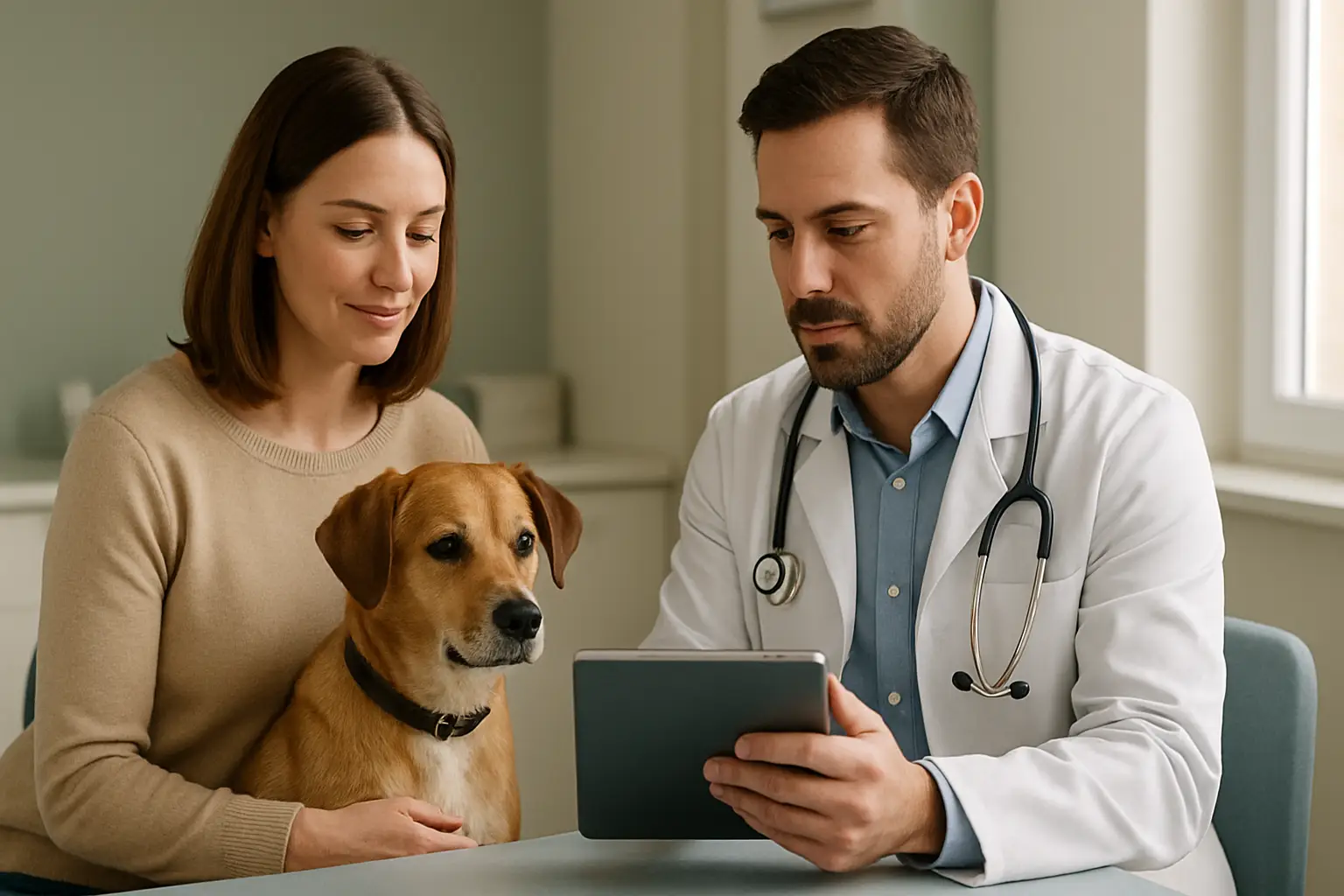
Are Veterinary Records Required for Pet Insurance?
Direct answer: Medical records are commonly required before an insurer can fully evaluate an accident or illness claim. Some providers request records shortly after enrollment, while others wait until the first claim or until the policyholder requests a medical-history review.
A veterinary examination is not required by every company. However, some insurers require or recommend an exam when the pet has not received recent veterinary care or does not have enough records to establish a health baseline.
Buying a policy and proving that a later claim is eligible are two different steps. A company may allow enrollment with only basic information about the pet, then request complete records before paying the first accident or illness claim.
The policyholder should therefore collect medical records early rather than waiting until an emergency occurs.
When Might an Insurer Request Medical Records?
After Enrollment
Some providers collect or review previous veterinary records to establish the pet's health history and identify likely exclusions.
During the First Claim
Other insurers wait until the first accident or illness claim before requesting and reviewing the historical records.
For a New Condition
Additional records may be requested when the claimed condition has an unclear symptom timeline or involves several clinics.
What Is Included in a Pet's Medical Record?
A complete medical record is more detailed than a vaccination certificate or payment receipt. It can include:
- Dates of veterinary visits
- Owner-reported symptoms
- Physical examination findings
- Diagnoses and suspected conditions
- Laboratory and imaging results
- Medications and treatment plans
- Specialist and emergency-care reports
- Recommendations for follow-up care
- Notes about resolved or recurring conditions
Detailed clinical records are sometimes called SOAP notes. The letters generally refer to subjective information, objective findings, assessment and plan.

Why Do Insurers Review Medical Records?
Records help the insurer answer several questions:
- When did the first related symptom appear?
- Was the condition diagnosed before enrollment?
- Did the pet receive treatment during the waiting period?
- Is the current claim connected to an earlier condition?
- Was the care medically necessary?
- Do the invoice and clinical notes describe the same visit?
The review is especially important because a condition can be classified as pre-existing based on earlier symptoms or medical advice, even when the formal diagnosis came later.
Review how insurers evaluate pet insurance and pre-existing conditions before assuming that the diagnosis date alone controls eligibility.
Do You Need a Vet Exam Before Buying Pet Insurance?
Not always. Some providers allow a pet to enroll without a new physical examination. Other insurers may require an exam when the pet has not visited a veterinarian within a stated period before enrollment.
| Situation | What the Insurer May Request | Why It Matters |
|---|---|---|
| Recent complete veterinary exam | Records from that examination and any related testing | The records may establish the pet's recent health baseline |
| No veterinary visit within the required period | A new full physical exam after enrollment | The provider may need current findings before completing its review |
| New puppy or kitten | Records from the breeder, shelter, rescue or first veterinarian | The history may begin at birth or at the date the pet entered the home |
| Recently adopted adult pet | Shelter records plus a new veterinary examination | The previous medical history may be limited or incomplete |
| Pet visited multiple clinics | Records from every relevant veterinary provider | One clinic's file may not contain the complete symptom history |
An enrollment exam does not guarantee that future claims will be covered. The insurer will still apply waiting periods, exclusions, deductibles and other policy terms.
Required Exam vs. Covered Exam Fee
A provider can require an examination for enrollment purposes without paying for that examination.
There are at least three different types of exam-related expenses:
- An enrollment or baseline health examination
- A routine annual wellness examination
- An examination used to diagnose a covered accident or illness
These expenses may follow different coverage rules. A wellness add-on may help with a routine exam, while an accident and illness plan may or may not include the examination fee for a sick visit.
Who Pays for the Enrollment Exam?
The pet owner should expect to pay the veterinary clinic unless the selected policy or wellness benefit clearly includes the service.
Do not assume an insurer will reimburse the cost simply because it requested the examination. Ask whether the exam is:
- A condition of enrollment
- A recommendation rather than a requirement
- Eligible under a wellness benefit
- Excluded from reimbursement
How Far Back Do Pet Insurance Companies Check Records?
There is no single time period used by every provider. Some policies focus on a stated period before enrollment, while the insurer may request older records when they are relevant to the claimed condition.
A company may ask for records from:
- The previous 12 months
- The date the pet entered the owner's care
- The pet's entire available medical history
- All clinics that treated the same or a related problem
- The waiting period immediately following enrollment
Read the selected policy rather than assuming the insurer will review only the most recent annual examination.
What If Your Pet Has Seen Several Veterinarians?
Ask every relevant clinic for a complete copy of the pet's records. This may include a regular veterinarian, emergency hospital, specialist, vaccination clinic, shelter or previous veterinary practice.
Moving to a new clinic does not automatically transfer every historical record. Confirm that the new veterinarian received the full file rather than only a short summary.
When filing through the pet insurance claims process, provide the insurer with accurate contact information for each clinic that may hold relevant records.

Can You Get Pet Insurance Without Previous Vet Records?
You may be able to purchase a policy when a pet has little or no available medical history. This is common with young puppies, kittens, rescued animals and pets adopted from another household.
However, the insurer may require a new examination or delay a full medical-history assessment until records become available.
Request intake examinations, vaccination records, treatment notes and adoption medical documents.
A complete veterinary visit can document the pet's current condition and begin an organized medical history.
Answer enrollment questions accurately, including known symptoms, previous injuries and recent treatment.
Save full examination notes, invoices, laboratory results and specialist reports in one secure location.
What Is a Medical-History Review?
A medical-history review is an insurer's evaluation of the records available before or shortly after enrollment.
The review may help identify which conditions the company is likely to classify as pre-existing. It can also reveal missing records that might otherwise delay the first claim.
Not every provider automatically completes this review when a policy is purchased. Some require the policyholder to request it.
Why Request the Review Early?
An early review may give the owner time to:
- Correct missing or inaccurate records
- Ask questions about listed exclusions
- Understand how previous symptoms may be treated
- Evaluate the policy during its review period
- Avoid discovering major exclusions during an emergency
Ask whether the result will be provided in writing and whether it can change when new records are received.
Which Documents Are Usually Most Helpful?
| Document | How It Helps |
|---|---|
| Complete clinical notes | Show symptoms, examination findings, diagnosis and the treatment plan |
| Itemized invoice | Separates examinations, tests, procedures, medication and other charges |
| Laboratory results | Provide the complete findings rather than a short statement that results were normal or abnormal |
| Imaging reports | Document the veterinarian or radiologist's interpretation of X-rays, ultrasound, MRI or CT imaging |
| Specialist reports | Clarify the diagnosis, symptom timeline and recommended treatment |
| Discharge instructions | Support the file but may not replace complete clinical notes |
What If a Medical Record Contains an Error?
Contact the veterinary clinic promptly. Explain which entry appears inaccurate and ask about the clinic's process for correcting or adding information to the record.
A clinic may preserve the original entry while adding a dated clarification or amendment. Do not edit veterinary documents yourself.
When a claim depends on the disputed entry, provide the insurer with:
- The complete original medical record
- The veterinarian's clarification or amended note
- Relevant test results
- A clear explanation of the disputed timeline
Do Records During the Waiting Period Matter?
Yes. A symptom or veterinary visit during an applicable waiting period can affect later coverage for the same or a related condition.
For example, a pet may receive a diagnosis after the waiting period while the record shows that the first symptoms began during it.
A plan marketed as pet insurance with no waiting period may still have timing rules, state-specific terms or different requirements for accidents, illnesses and orthopedic conditions.
Never Delay Necessary Veterinary Care
Do not postpone an examination because you are concerned that a symptom may appear in the medical record.
Delaying treatment can harm the pet and does not guarantee coverage. Accurate records help veterinarians provide safe care and allow insurers to review the real medical timeline.
Insurance should support responsible veterinary decisions rather than replace them.
Questions to Ask Before Choosing a Provider
Ask whether the company collects them after enrollment or waits until the first claim.
Find out whether the insurer needs 12 months, the entire available history or another period.
Confirm what happens when the pet has not visited a veterinarian recently.
Determine whether it is reimbursable or an out-of-pocket enrollment expense.
Ask whether likely exclusions can be identified before a claim occurs.
Understand whether the claim is paused, denied or reconsidered when the file is completed.
Confirm whether the clinic can send documents directly to the insurer.
Ask how to submit an amended record or veterinary clarification.
Prepare the Records Before You Need Them
Collecting complete records early can reduce delays and help you understand how previous symptoms may affect coverage.
Compare the medical-history period, examination rules, record-review process and claim-document requirements across providers.
Use the guides on PetInsurances.us to evaluate these details alongside price and coverage.
Compare Pet Insurance QuotesThe Bottom Line
Most pet insurers need medical records at some point, even when they do not request them during the initial application.
The company may review the records after enrollment, during the first claim or when a new condition requires more investigation.
A veterinary exam is not universally required, but a provider may require one when recent medical records are unavailable. Read the policy and obtain the requirement in writing.
Frequently Asked Questions
Does pet insurance require medical records?
Medical records are commonly required to review accident and illness claims. The provider may request them after enrollment, during the first claim or when evaluating a new condition.
Do you need a vet exam before buying pet insurance?
Not with every provider. Some insurers require an examination when the pet has no recent veterinary records, while others allow enrollment without a new exam.
Can you buy pet insurance without vet records?
You may be able to enroll, but the insurer may request an examination or additional documentation before completing a medical-history review or paying a claim.
Does pet insurance contact your veterinarian?
An insurer may contact current and previous veterinary clinics to request records relevant to enrollment, medical-history review or claim processing.
How far back does pet insurance check records?
The period varies. A company may request a stated number of months, the complete available history or older records relevant to a claimed condition.
Can missing records delay a claim?
Yes. A claim may remain pending while the insurer waits for complete clinical notes, invoices, test results or records from another clinic.
Is a vaccination record enough?
Usually not for a complete medical review. Vaccination records may lack the detailed examination findings, symptom history and treatment notes needed for claim evaluation.
Can an inaccurate veterinary note be corrected?
Contact the clinic and request a formal clarification or amendment. Do not alter the document yourself.
Editorial note: This article provides general educational information. Medical-record periods, enrollment exams and claim requirements vary by insurer, policy and state. Review the complete contract and contact the provider for its current requirements.