01
Exam fee
This covers the veterinarian’s assessment, medical history review, physical examination, and first treatment recommendations.

Average vet bill cost in the US can range from less than $200 for a basic wellness exam to several thousand dollars for emergency treatment, surgery, or hospital care. This PetInsurances.us guide explains common veterinary charges, what affects the final bill, and how pet owners can prepare for routine and unexpected care.
These figures are educational planning ranges. Your veterinarian should provide an estimate based on your pet, location, diagnosis, and recommended treatment.
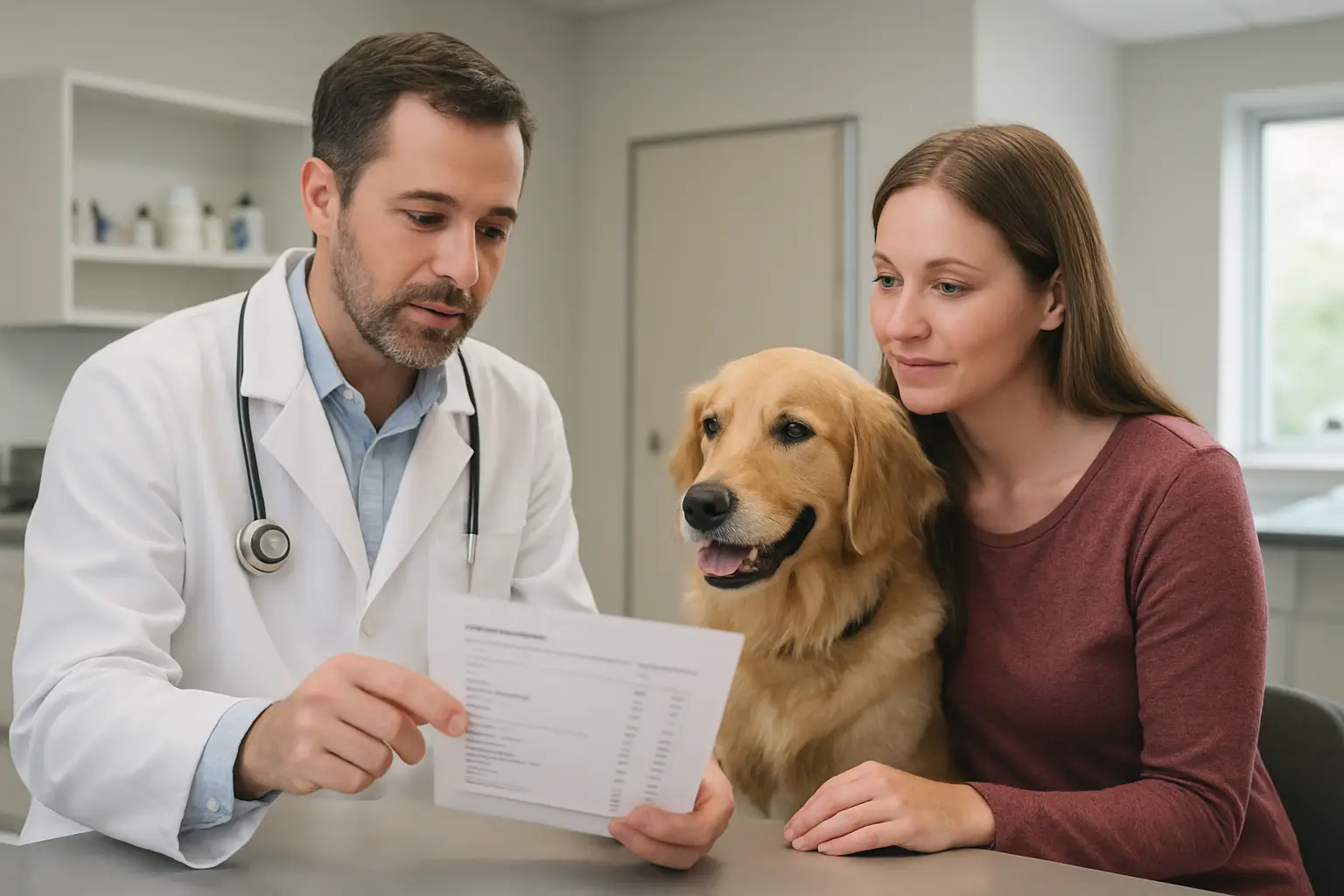
The exam fee is often only the first charge. Tests, medication, treatment, hospital care, and follow-up visits can increase the final total.
A standard wellness exam often costs about $75 to $200 before vaccines, tests, or medication are added. An emergency exam fee may cost about $95 to $240, while the complete emergency bill commonly reaches $800 to $1,500. Surgery, specialist care, or a longer hospital stay can raise the total above $5,000.
Use these ranges to build a general pet-care budget. They are not guaranteed prices or treatment quotes.
| Veterinary service | Typical U.S. planning range | What may be included |
|---|---|---|
| Routine wellness exam | $75–$200 | Physical examination and a general discussion about your pet’s health. Vaccines and tests may cost extra. |
| Sick-pet office visit | $100–$300+ | Examination of a new symptom. Testing, medication, or treatment can increase the total. |
| Emergency examination | $95–$240 | Initial urgent assessment only. This normally does not include diagnostics, treatment, or hospitalization. |
| Diagnostic testing | $180–$450+ | Blood tests, urine tests, X-rays, ultrasound, or other tests selected for the pet’s condition. |
| Dental cleaning | $300–$700+ | Anesthesia, scaling, cleaning, and examination. Extractions or advanced dental treatment can cost more. |
| Overnight emergency hospitalization | $600–$2,500+ | Monitoring, nursing care, fluids, medication, facility use, and repeated testing when needed. |
| Emergency surgery | $1,500–$5,000+ | Surgeon, anesthesia, operating room, medication, monitoring, and possible hospital recovery. |
| Broken-leg treatment | $1,400–$5,800 | Imaging, sedation, splinting, surgery, pain control, hospitalization, and follow-up care. |
Cost note: Large cities, specialist hospitals, 24-hour emergency clinics, complicated cases, and longer hospital stays may cost more than these ranges. Ask for a written estimate when the situation allows.
A veterinary bill often includes several separate services. The examination charge may represent only a small part of the total.
This covers the veterinarian’s assessment, medical history review, physical examination, and first treatment recommendations.
Bloodwork, urine testing, X-rays, ultrasound, cultures, or other tests may be needed to identify the cause of a problem.
The bill may include injections, fluids, prescription medicine, wound care, anesthesia, or a medical procedure.
Monitoring, overnight care, repeat tests, specialist support, and recheck appointments can add to the final cost.
The word “vet visit” can describe several types of care. Knowing the difference helps explain why one bill may be under $200 while another reaches thousands of dollars.
Read the complete guide to pet insurance and emergency veterinary care when planning for unexpected treatment.

They can be similar for a basic exam, but the full bill depends more on the service, diagnosis, pet size, treatment plan, and clinic than on species alone.
Large dogs may need higher medication doses, larger equipment, or more staff support. Breed-related health risks may also affect long-term care costs.
Explore dog insurance costsCats may need care for dental disease, urinary conditions, kidney problems, injuries, or age-related illness. Emergency treatment can still reach several thousand dollars.
Explore cat insurance costsClinic prices can vary by state, city, local labor costs, facility type, and access to veterinary specialists.
Explore pet insurance by state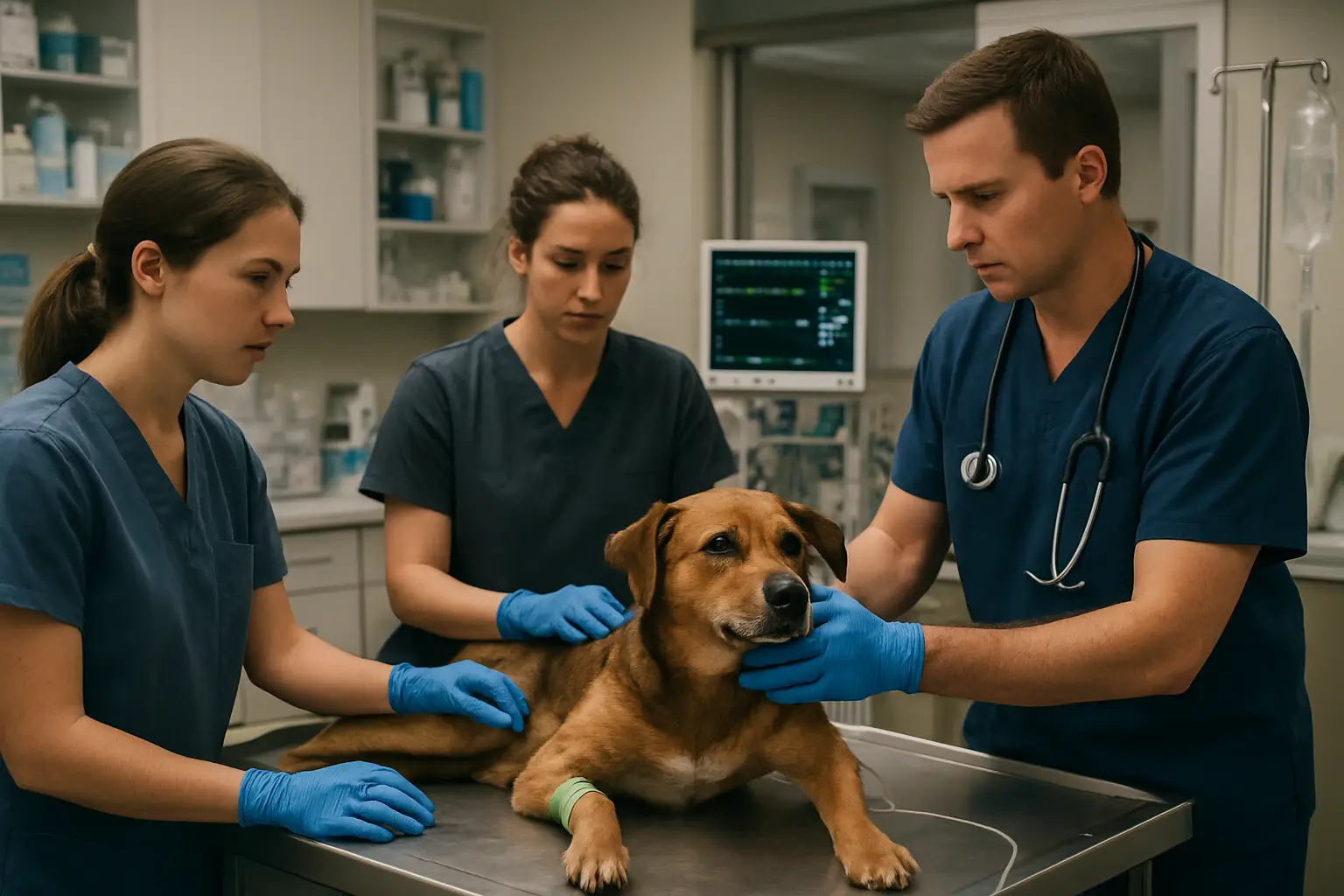
Two pets with similar symptoms may receive different bills because their medical needs and treatment plans are not always the same.
For a wider breakdown of premiums and medical expenses, review the pet insurance cost guide.
An emergency examination may look affordable by itself, but several necessary line items can be added during the same visit.
This is not a quote. A simple case may cost less, while surgery, intensive care, specialist treatment, or several nights in a hospital can cost more.
Accident and illness insurance may reimburse eligible veterinary expenses after the deductible and reimbursement rules are applied. Routine care is usually excluded unless the plan includes a separate wellness benefit.
Before choosing coverage, understand pet insurance deductibles, reimbursement rates, and annual coverage limits. These details affect how much the policy may repay.
Most plans do not cover a condition that began before enrollment. Review how pre-existing condition rules may apply.

Planning cannot prevent every emergency, but it can make the financial side of treatment easier to handle.
Ask which services are essential now, which may be optional, and whether the estimate could change after testing.
Set aside money for annual exams, medication, preventive care, deductibles, and unexpected visits.
Coverage is usually easier to use when it begins before an injury, illness, or related symptom becomes part of the pet’s record.
Save invoices, medical records, and payment receipts. Submit complete claim documents as soon as possible.
Read about pet insurance claimsAsk whether the insurer and clinic support direct payment or whether you must pay the clinic before reimbursement.
Learn about direct vet paymentA wellness plan may help with predictable preventive expenses, but it is not the same as accident and illness insurance.
Explore wellness plan coverageThese supporting pages explain coverage, value, and veterinary expenses in more detail.
Quick answers about routine visits, emergency charges, insurance, and veterinary estimates.
Tell us what type of pet you have, the coverage you are reviewing, and the cost question you want to understand. We can point you toward the most relevant educational resource.
You can also use the PetInsurances.us contact page for a general question.