
Opening your home to a pet is a heartwarming experience, but it also brings real financial responsibilities. If you are currently debating whether a monthly premium is worth it, analyzing the average vet bill cost US families face is the best way to quantify your financial risk.
For standard, routine wellness checkups, a typical US pet owner can expect to spend $150 to $300 annually. However, the real concern is not the routine physical: it is the sudden, catastrophic emergencies. When a pet suffers an acute illness or physical injury, the average vet bill cost US owners encounter can instantly climb into the thousands.
| Medical Condition | Average Cost (No Insurance) | Typical Treatment Needed |
|---|---|---|
| Foreign Object Ingestion | $3,000 to $7,000 | Emergency surgery and hospitalization |
| CCL Tear | $3,500 to $6,000 | Surgical stabilization |
| Cancer Treatment | $5,000 to $12,000+ | Chemotherapy, radiation |
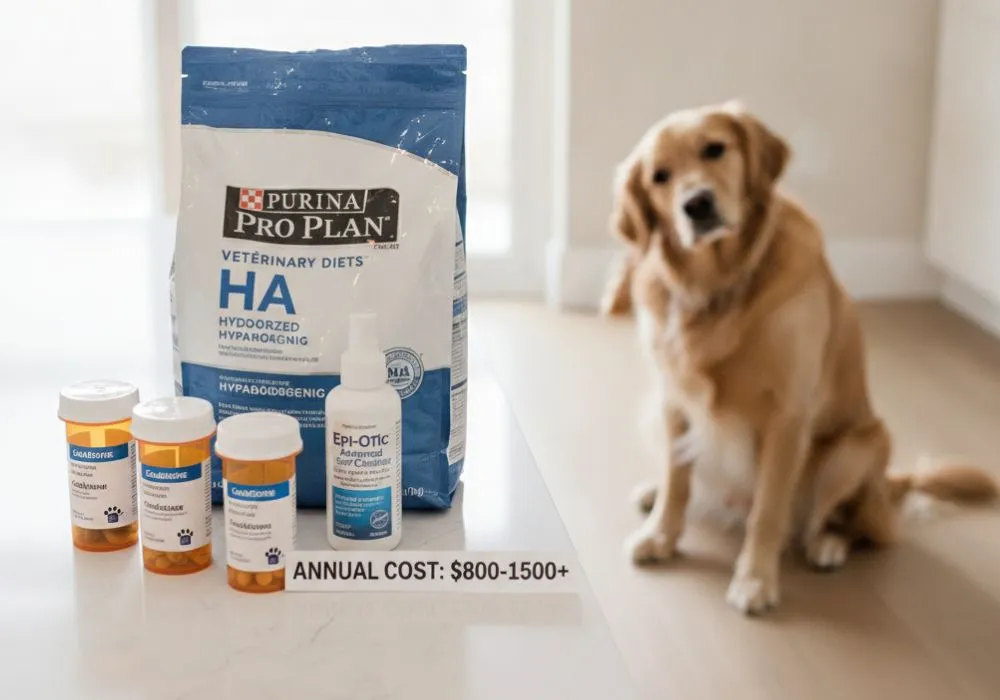
| Chronic Allergies | $800 to $1,500 | Ongoing medications |
Many pet owners assume they can simply self-insure by setting aside a small monthly savings fund. However, if your pet is diagnosed with a complex illness early in life, a standard savings account will not have enough time to accumulate sufficient funds.
By reviewing our most common pet insurance claims guide, you can see that the most frequent reasons for clinic visits are often recurring conditions. Over your pet's lifetime, managing these chronic conditions out-of-pocket can cost significantly more than the cumulative cost of monthly insurance premiums.
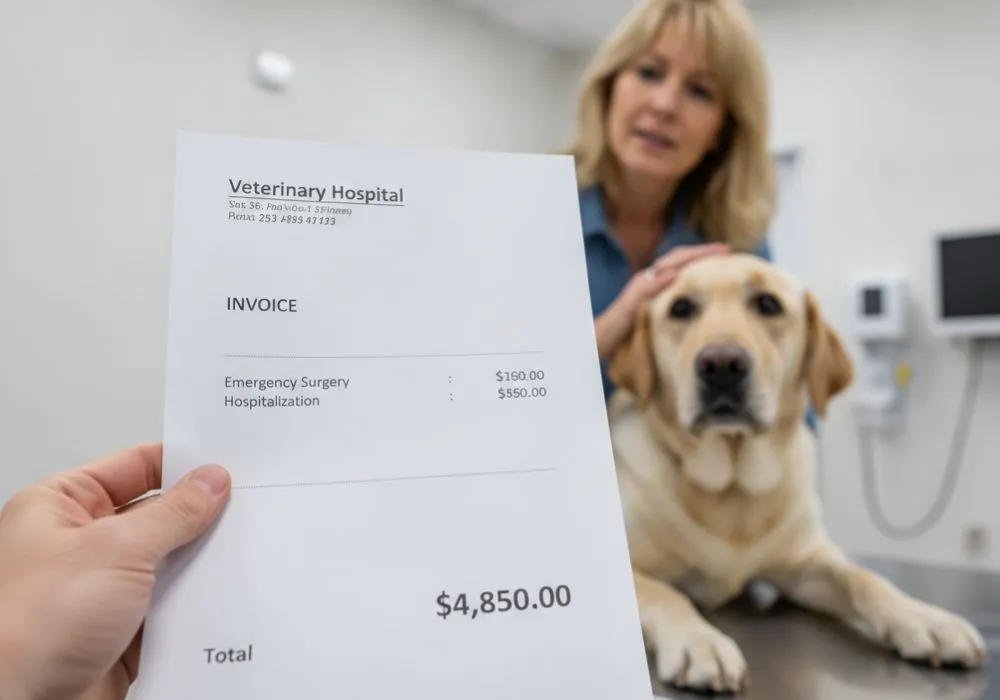
A comprehensive policy acts as a financial shield between your family and the clinic. When your pet requires emergency care for a sudden injury, you do not have to make a difficult medical decision based solely on your bank balance.
Once your annual deductible is met, your pet insurance reimbursement plan will typically cover 70%, 80%, or 90% of the total eligible bill. This includes high-cost treatments such as advanced oncology therapies, meaning pet insurance cancer coverage can cover thousands of dollars in chemotherapy fees while you focus entirely on your pet's recovery.
Before choosing your protection model, it is crucial to analyze how a dedicated savings account stacks up against a formal policy. Our detailed insurance vs savings fund analysis demonstrates that while a savings account is ideal for predictable wellness visits, it remains highly vulnerable to back-to-back emergencies.
If your pet experiences an accident and a chronic diagnosis in the same year, a private savings fund can be completely wiped out.
Secure Your Protection